Coins
Coins
London Coin Galleries is your local coins dealer in Newport Beach CA. We specialize in all coins, currency, antiquities and precious metals. Visit us in Orange County by scheduling an appointment.
Origin of Coins
Throughout history humanity has required a medium of exchange for goods and services.
In undeveloped, rural, and low populated areas, payments were made with objects that had a recognized value, including shells, feathers, salt, tea, tobacco, beads, and tools to name a few.
These forms of exchange, along with the barter system worked well, but in higher populated areas or areas of commerce they weren’t practical and did not meet with the demand.
The first coins were made in the kingdom of Lydia (modern day Turkey) around 650 BC out of electrum (a mixture of gold and silver). Soon this standardizing method began to spread throughout Europe and beyond.
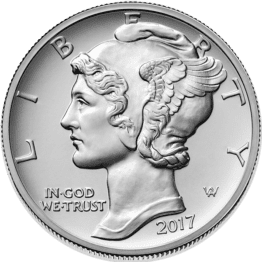
Coins are made from metal, and are marked with a design to indicate they have a monetary value.
Initially this was done by hand, called hammering, or in the rare instance by casting. In the mid-16th century milled or “machine struck coins” began being manufactured.
Every coin tells a story, whether it be as simple as where it’s from, or who was in power, to newsworthy events (a battle victory, or a coronation). Some speak of economic decline (debasing, or lowering the weight), while others indicate a metal shortage (during war time alternate metals were used on some issues).
There is much to be learned by studying coins! World geography, politics, war, economies, and propaganda are just the beginning!
Shop for Coins in Orange County
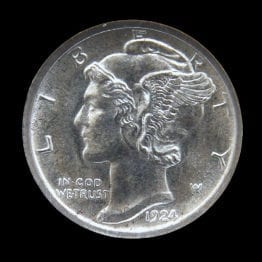
- United States Coin Collection
- World Coin collection
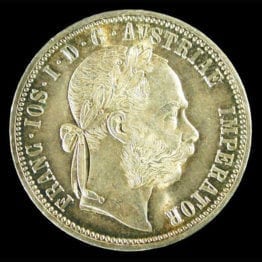
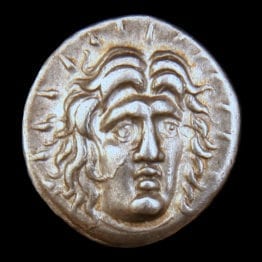
- Ancient and Rare Coin Collection
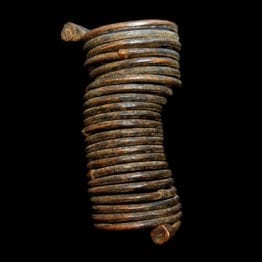
- Odd and Curious Money
Your Trusted Local Coin Dealer
We at LondonCoin.com are eager to assist you when you need to value, buy, or sell coins.
Whether you have one or an entire collection. As a an experienced Numismatic coin dealer in Newport Beach CA, we can answer all your questions. Contact us to schedule an appointment.
.